

0
Your Cart
No products in the cart.

Tibet Weather and Climate

Influence on Lifestyle, Landscapes, and Your Travel Experience

Tibet has a highly diverse and unique weather and climate patterns. The region experiences a large temperature difference between day and night. During the day, under the intense sunlight at high altitudes, the temperature can be relatively warm, especially in the warmer months.

However, as soon as the sun sets, the heat dissipates rapidly, and the temperature can drop dramatically, often leading to chilly evenings and cold nights.

Spring Season

In terms of seasons, spring in Tibet is marked by the gradual thawing of the frozen land. The snow begins to melt, and the first signs of new life emerge. But it can still be quite cold, with occasional snowfall in the higher altitudes.

Seasonal Highlights

Summer

Summer is the peak tourist season. The weather is generally milder and more pleasant, with average temperatures ranging from 10 to 20 degrees Celsius. Clear blue skies and lush greenery make it ideal for exploring. However, sudden rain showers can occur, so carry rain gear.

Autumn

Autumn brings a spectacular display of colors as the leaves change. The temperatures start to decline, and the air becomes crisper. It's a great time for photography, especially with the backdrop of golden and red foliage against the mountains.

Winter

Winter is extremely cold and harsh, with temperatures well below freezing. Snow blankets the landscape. While remote areas become inaccessible, regions near Lhasa offer clear skies and fewer crowds, giving you more time to explore attractions.

High Altitude & UV Protection

The high altitude also has a significant impact on the climate. The air is thinner, which means stronger ultraviolet radiation. It's essential for visitors to protect themselves with sunscreen, sunglasses, and appropriate clothing.


"Being well-prepared for the various weather conditions in Tibet is crucial for a safe and enjoyable adventure."

Tibet Weather and Climate

Tibet weather and climate not only shape the stunning natural landscapes but also influence the local lifestyle and travel experiences.

Climate Overview

Tibet has a highly diverse and unique weather and climate patterns. The region experiences a large temperature difference between day and night. During the day, under the intense sunlight at high altitudes, the temperature can be relatively warm, especially in the warmer months.

However, as soon as the sun sets, the heat dissipates rapidly, and the temperature can drop dramatically, often leading to chilly evenings and cold nights.

Seasonal Highlights

Tibet Weather and Climate

Spring

In terms of seasons, spring in Tibet is marked by the gradual thawing of the frozen land. The snow begins to melt, and the first signs of new life emerge. But it can still be quite cold, with occasional snowfall in the higher altitudes.

Summer

Summer is the peak tourist season. The weather is generally milder and more pleasant, with average temperatures ranging from around 10 to 20 degrees Celsius in many areas.

The clear blue skies and lush greenery make it an ideal time for exploring the natural beauty during your Tibet tour. However, even in summer, sudden rain showers or thunderstorms can occur, so it's advisable to carry appropriate rain gear.

Autumn

Autumn brings a spectacular display of colors as the leaves on the trees change. The temperatures start to decline, and the air becomes crisper.

It's a great time for photography, especially with the backdrop of the golden and red foliage against the mountains.

Winter in Tibet

Winter is extremely cold and harsh, with temperatures dropping well below freezing in many parts. Snow blankets the landscape, and strong winds can make the cold feel even more biting.

Many remote areas become inaccessible due to heavy snowfall and difficult road conditions. But, most regions near Lhasa are great tour destinations.

With clear blue skies and fewer crowds, they offer you more time to explore the many attractions in Lhasa.

High Altitude & Travel Tips

The high altitude also has a significant impact on the climate. The air is thinner, which means stronger ultraviolet radiation. It's essential for visitors to protect themselves with sunscreen, sunglasses, and appropriate clothing to avoid sunburn and other altitude-related health issues.
Overall, being well-prepared for the various weather conditions in Tibet is crucial for a safe and enjoyable adventure.

1: Tibet Travel Permit

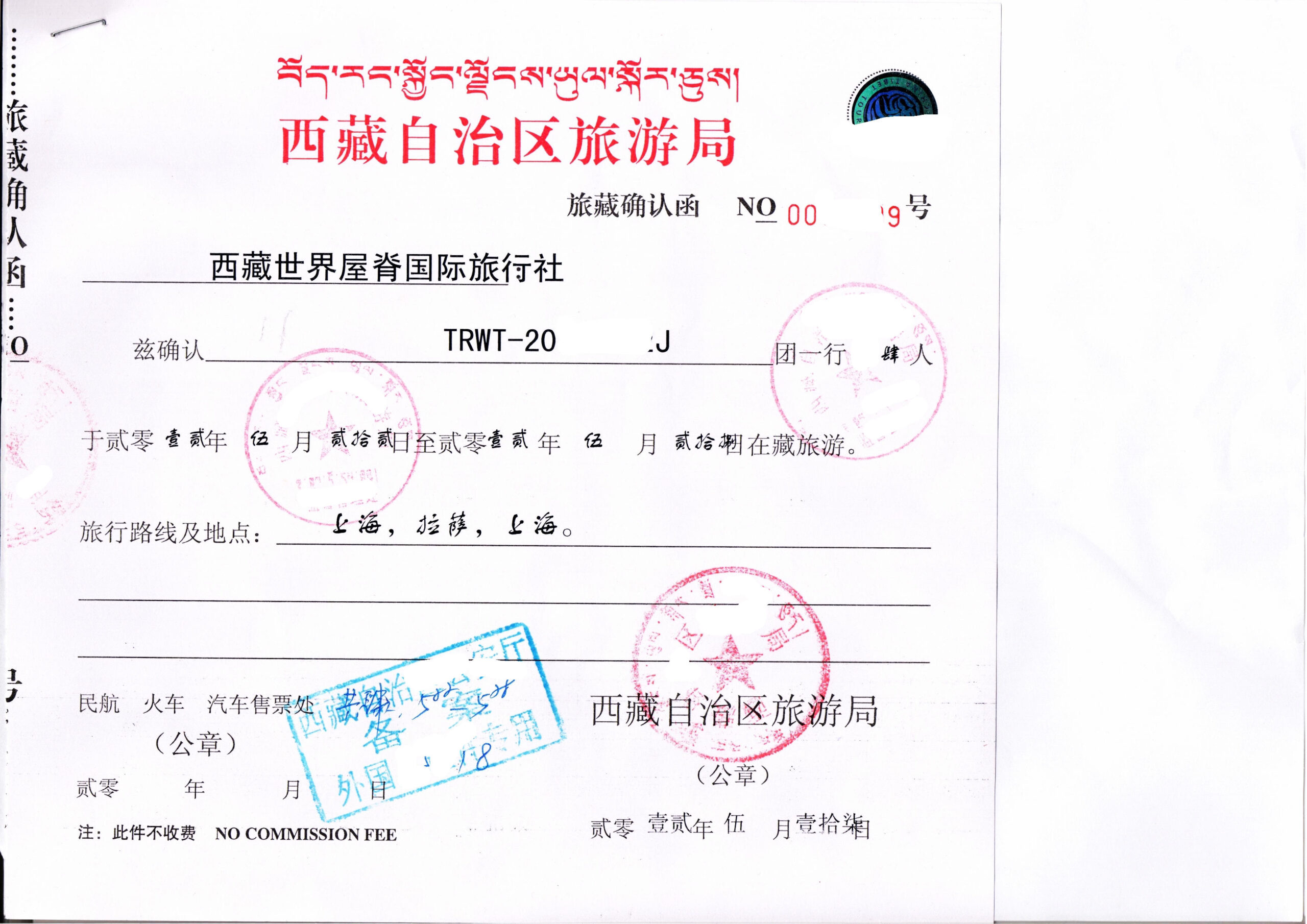
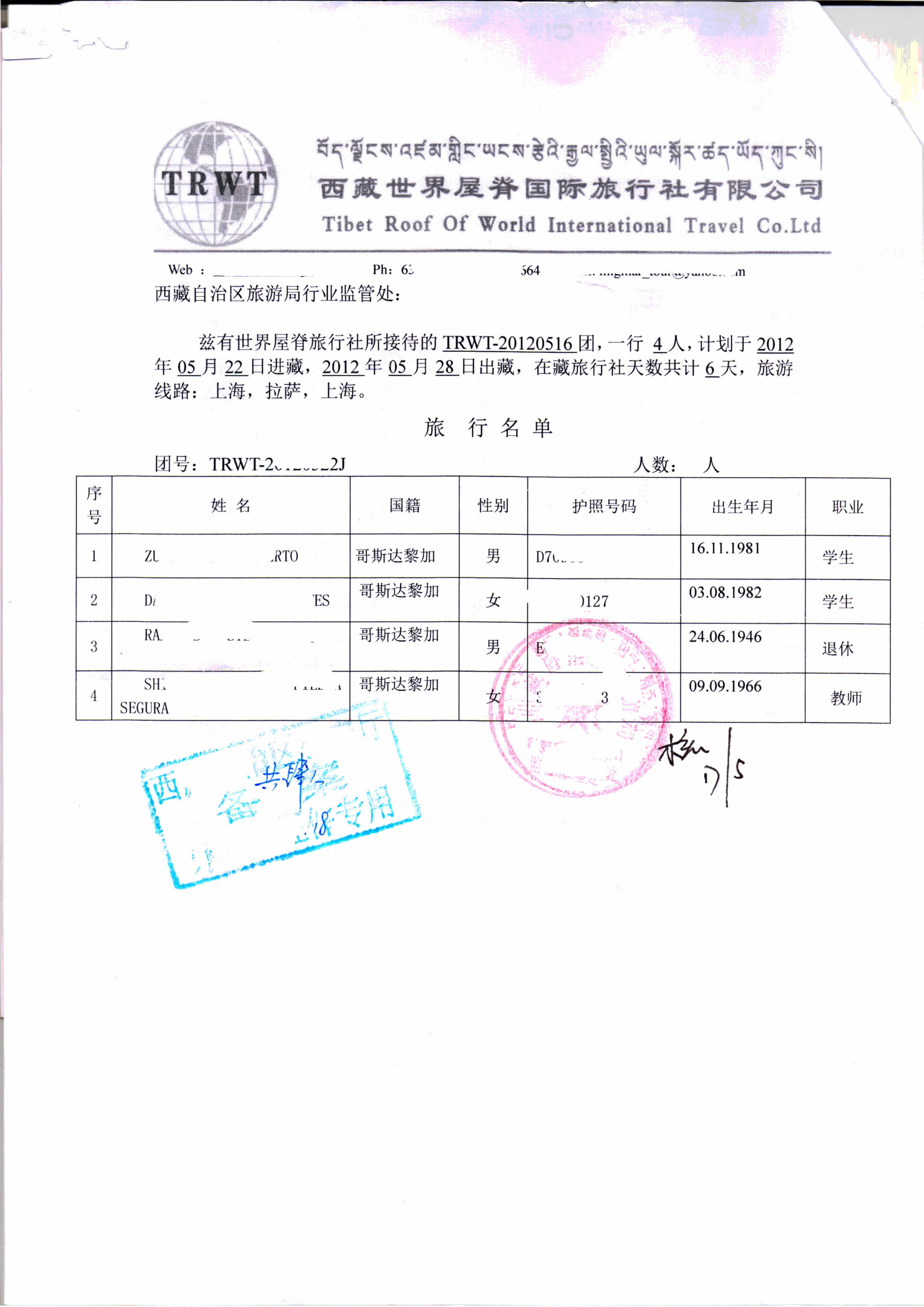
Without Tibet Travel Permits, you cannot enter Tibet (Tibet Autonomous Region), China, but it is not difficult to obtain the permit, registered company like TRW, it can be easily obtain it for you if your Tibet Tour has been confirmed with a legit registered local travel company.

2: Alien Permit

Alien Travel Permit (ATP) is an additional permit which is required if your itinerary is in Gyirong, Kailash, Ngari and EBC in western part of Tibet,Tsedang,Nyinchi, Ranwo Lake, Basum Lake, Sakga or Shalu Monasteries in Shigatse area,

3: Military Permit

The Military Permits as you can see from the word, this permit is related to military department, thus, this travel document is mainly issued by the military authority in Tibet, in fact, this permit is compulsory for entering to any border regions between China and neighboring countries. Military permits are required for visiting following places in Tibet apart from TTP.

  • Ali (Far Western Tibet)
  • Guge Kingdom (Far Western Tibet)
  • Gyirong (New Border to Nepal)
  • Lake Manasarovar (Near Mt. Kailash in Far Western Tibet)
  • Kailash (Western Tibet)
  • Nyima country (Border country between Ali and Nakchu Prefecture)
  • Cochin

NOTE: This permit can apply only from Lhasa, Tibet, you don’t have to worry about it as our company (TRW) will obtain such permits on your behalf and you just need to cooperate by sending your scanned copies of China Visa/TGV and Passport to your travel consultant. If you want to know more details about Tibet Travel Permits, you can contact us at info@tibetroofofworld.com Our professional travel consultants will reply to you with their extensive knowledge and rich Tibet tour experiences

Tibet Travel Permit (TTP) is the basic required permit to travel to Tibet Autonomous Region (TAR), every foreign travelers must need Tibet Travel Permit to enter to Tibet along with your Chinese Visa or Tibet Group Visa. Though it seems very hard or confusing, it just takes few simple steps, and your travel agency will do the rest.

Tibet Travel Permit is mainly obtained from Tibet Tourism Bureau in Lhasa, Tibet, which contains the tourist’s information and confirmed itineraries.

According to the latest Chinese regulations for foreign visitors, passports must have a validity of six months (at least) to apply for a Chinese visa. This requirement also applies when traveling to Tibet along with Tibet Travel Permit.

W @