0
Your Cart
No products in the cart.

Tibetan New Year (Losar)

Losar: Tibetan New Year

The most popular Tibetan festival in the Tibetan regions dates back centuries. This Losar literally means “new year”, this unfolds not as a mere festival, but contains huge decorations, including Kapsey-crisp, yak butter pastries shaped like flowers, and yaks-symbols of abundance. The core preparation is the Chema box, an ornate vessel holding dyed barley flowers, roasted grains, and Tsampa, honoring the land’s generosity and praying for the bountiful year.  

Right before two days before Tibetan Losar, it starts from Guthuk (a family gathering day for Tibetan style dough drops noodle hiding secret fillings) on the 29th day of the old Tibetan Lunar month, the secret fillings include chilies for short temper, wool for pure mind, coal for dirty mind, glass for transparency, wheat for illness, paper for easy going, etc. After dinner, the whole society will start with firecrackers crackling to ward off evil, and incense curls upward, a humble prayer to welcome the light into the new year.

Then comes the Eve Day, which is known as Nanga in Tibetan. Usually, Tibetans don’t clean their homes on this day; family members come in traditional dress, talk sweetly, spread laughter within the house, and stay the whole day in their home to start a smooth and calm new year.

Finally, the new year starts with the 1st day of the Tibetan Lunar calendar. From early morning, all neighbors will come up with a Chema box in their hands and pay a visit to every neighbor in their colorful-looking Tibetan dress (Chupa). Everyone throws the Droso (barley) and Chema (Tsampa) in the air three times with prayers and pays warm Tashi Delek to each other for the new year.

In the end, Losar is a great hope—the harshest winter yields to spring, darkness to light, and every heart can start anew. Losar Tashi Delek: may its magic touch every soul, as it has for millennia.

Add a Comment

Your email address will not be published.

1: Tibet Travel Permit

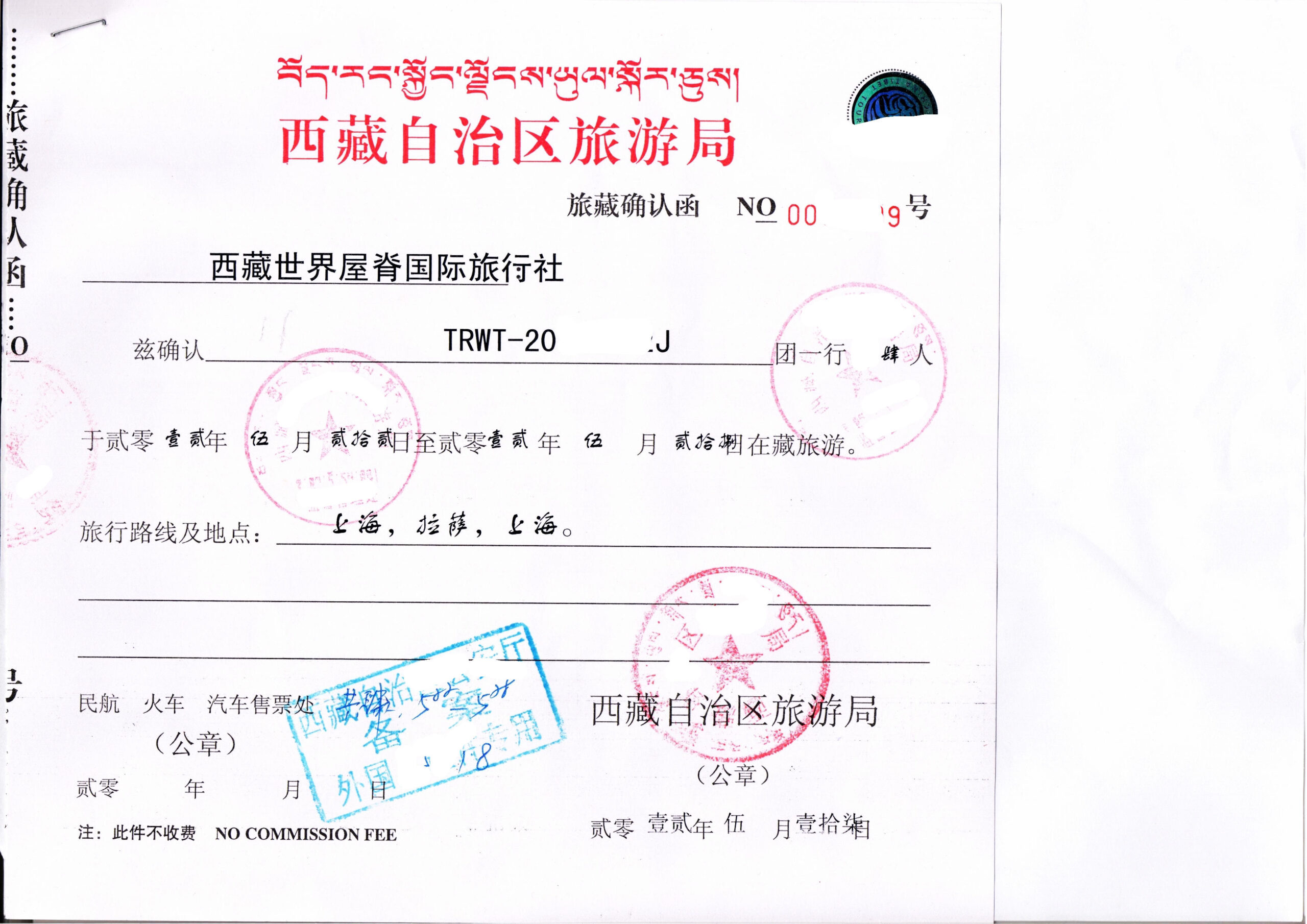
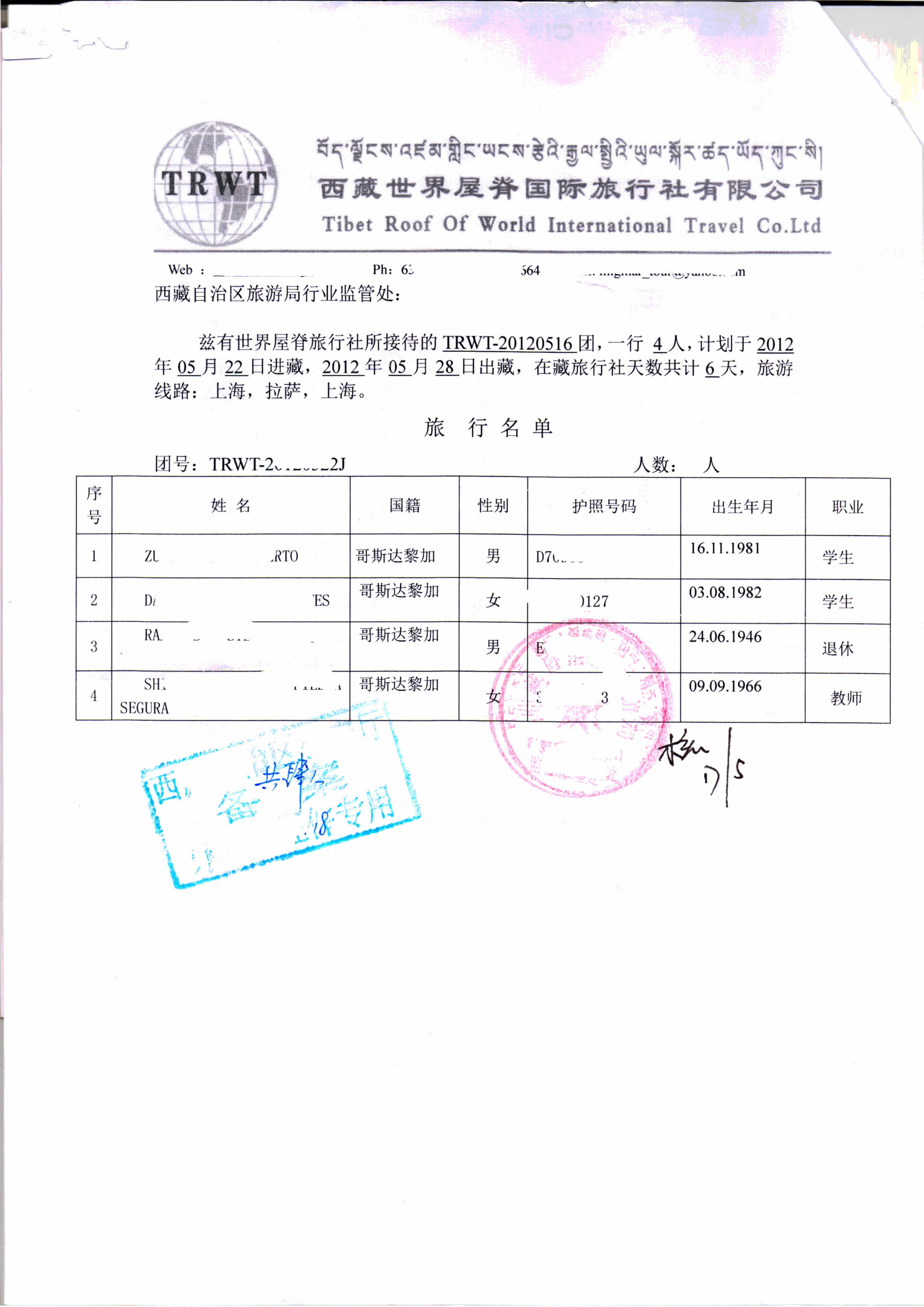
Without Tibet Travel Permits, you cannot enter Tibet (Tibet Autonomous Region), China, but it is not difficult to obtain the permit, registered company like TRW, it can be easily obtain it for you if your Tibet Tour has been confirmed with a legit registered local travel company.

2: Alien Permit

Alien Travel Permit (ATP) is an additional permit which is required if your itinerary is in Gyirong, Kailash, Ngari and EBC in western part of Tibet,Tsedang,Nyinchi, Ranwo Lake, Basum Lake, Sakga or Shalu Monasteries in Shigatse area,

3: Military Permit

The Military Permits as you can see from the word, this permit is related to military department, thus, this travel document is mainly issued by the military authority in Tibet, in fact, this permit is compulsory for entering to any border regions between China and neighboring countries. Military permits are required for visiting following places in Tibet apart from TTP.

  • Ali (Far Western Tibet)
  • Guge Kingdom (Far Western Tibet)
  • Gyirong (New Border to Nepal)
  • Lake Manasarovar (Near Mt. Kailash in Far Western Tibet)
  • Kailash (Western Tibet)
  • Nyima country (Border country between Ali and Nakchu Prefecture)
  • Cochin

NOTE: This permit can apply only from Lhasa, Tibet, you don’t have to worry about it as our company (TRW) will obtain such permits on your behalf and you just need to cooperate by sending your scanned copies of China Visa/TGV and Passport to your travel consultant. If you want to know more details about Tibet Travel Permits, you can contact us at info@tibetroofofworld.com Our professional travel consultants will reply to you with their extensive knowledge and rich Tibet tour experiences


Tibet Travel Permit (TTP) is the basic required permit to travel to Tibet Autonomous Region (TAR), every foreign travelers must need Tibet Travel Permit to enter to Tibet along with your Chinese Visa or Tibet Group Visa. Though it seems very hard or confusing, it just takes few simple steps, and your travel agency will do the rest.

Tibet Travel Permit is mainly obtained from Tibet Tourism Bureau in Lhasa, Tibet, which contains the tourist’s information and confirmed itineraries.

According to the latest Chinese regulations for foreign visitors, passports must have a validity of six months (at least) to apply for a Chinese visa. This requirement also applies when traveling to Tibet along with Tibet Travel Permit.

W @